

Nashik is one of India’s oldest spiritual destinations, and at the heart of its cultural identity lies the Kumbh Mela — the largest peaceful gathering of humans on Earth. Every 12 years, millions of devotees travel to Nashik and Trimbakeshwar to take a holy dip in the sacred Godavari River, seeking liberation, blessings, and spiritual purity.
The history of the Kumbh Mela in Nashik is a beautiful blend of mythology, tradition, and timeless devotion.
Mythological Origins: The Story of the Divine Nectar
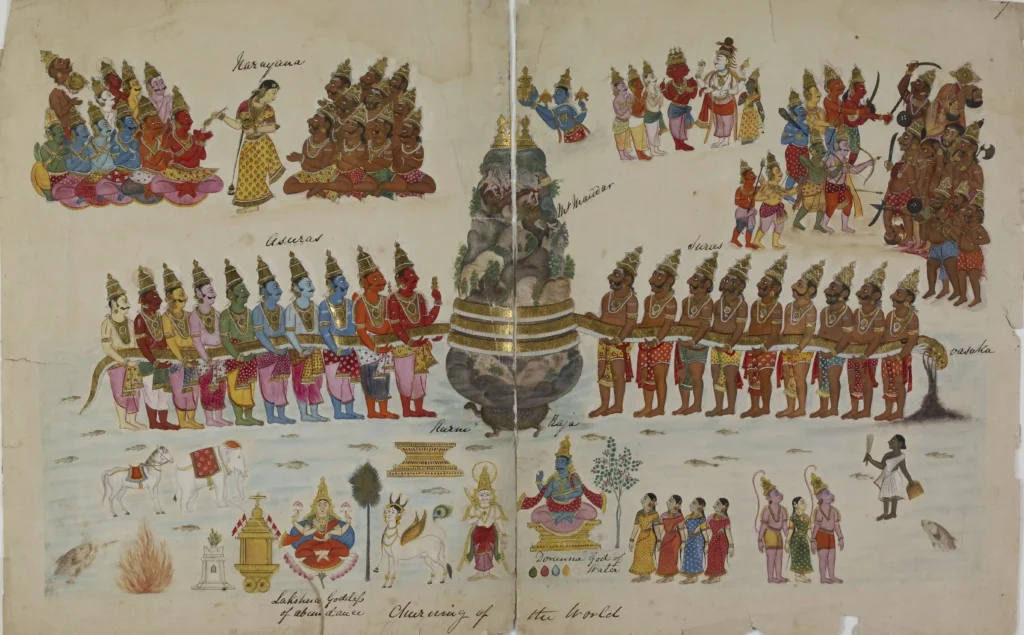
The roots of the Kumbh Mela go back to the legendary tale of Samudra Manthan (Churning of the Cosmic Ocean).
As gods (Devas) and demons (Asuras) churned the ocean to obtain the nectar of immortality (Amrit), a celestial battle broke out over its possession. During this fierce struggle, drops of Amrit fell on four earthly places:
- Nashik (Godavari)
- Haridwar (Ganga)
- Ujjain (Kshipra)
- Prayagraj (Ganga-Yamuna-Saraswati)
These sacred drops sanctified Nashik forever, making it an eternal pilgrimage for those seeking spiritual elevation.
Nashik’s Sacred Role in Kumbh Mela
Unlike other Kumbh sites, Nashik has a unique distinction —
The Mela takes place at two locations:
- Panchavati, Nashik — along the Godavari ghats
- Trimbakeshwar — home to the ancient Jyotirlinga temple
This dual location represents both the material and spiritual worlds coming together.
Historically, scriptures such as the Puranas mention Nashik as Padmanagar, a divine land blessed by Lord Rama during his exile. The presence of the Godavari — often called the Dakshin Ganga — elevated Nashik’s importance as a pilgrimage center.
When Did Nashik Kumbh Mela Begin?
While the exact beginning of Nashik’s Kumbh isn’t clearly documented, historians believe:
- It began around the 8th century, when Adi Shankaracharya reorganized Hindu monastic traditions.
- Large organized pilgrim gatherings are recorded from the 12th century.
- Mughal-era records describe massive fairs on the riverbanks, proving its centuries-old continuity.
Over time, Nashik became one of the major stages for Shaivite sadhus (Naga Sadhus), who consider Trimbakeshwar a seat of immense spiritual power.
Rituals That Define the Nashik Kumbh Mela
The most important ritual is the Shahi Snan (Royal Bath), performed by Akharas (ascetic groups) in a grand ceremonial procession.
A holy dip in the Godavari is believed to:
- Wash away sins
- End cycles of rebirth
- Bring inner peace and enlightenment
Other major rituals include:
- Pind Daan & Shraddha
- Spiritual discourses by saints
- Devotional practices, bhajans, and meditation
- Yatras, fairs, and charitable activities
Nashik Kumbh Mela Today
The modern Mela attracts over 1 crore (10 million+) visitors from India and across the world.
Technological systems, crowd management, bridges, sanitation, and river conservation efforts have made Nashik one of the most well-organised Kumbh hosts in recent decades.
Despite modernization, the soul of the Mela remains unchanged —
Faith, devotion, and the eternal journey toward salvation.
Why Nashik Kumbh Mela Is Special
Nashik’s Kumbh stands out for:
- Its connection to Trimbakeshwar Jyotirlinga
- The serene ghats of the Godavari
- Its calm, spiritual environment compared to other Kumbh cities
- Deep links to Lord Rama’s history and Panchavati
It is a perfect blend of mythology, spirituality, culture, and nature.
Conclusion
The Nashik Kumbh Mela is more than a festival — it is a living tradition, a celebration of humanity’s quest for purity and truth. From ancient sages to modern pilgrims, everyone who participates becomes part of a timeless spiritual journey.
Nashik, with its ancient temples, sacred ghats, and the divine flow of the Godavari, continues to be a beacon of faith for millions across the globe.