
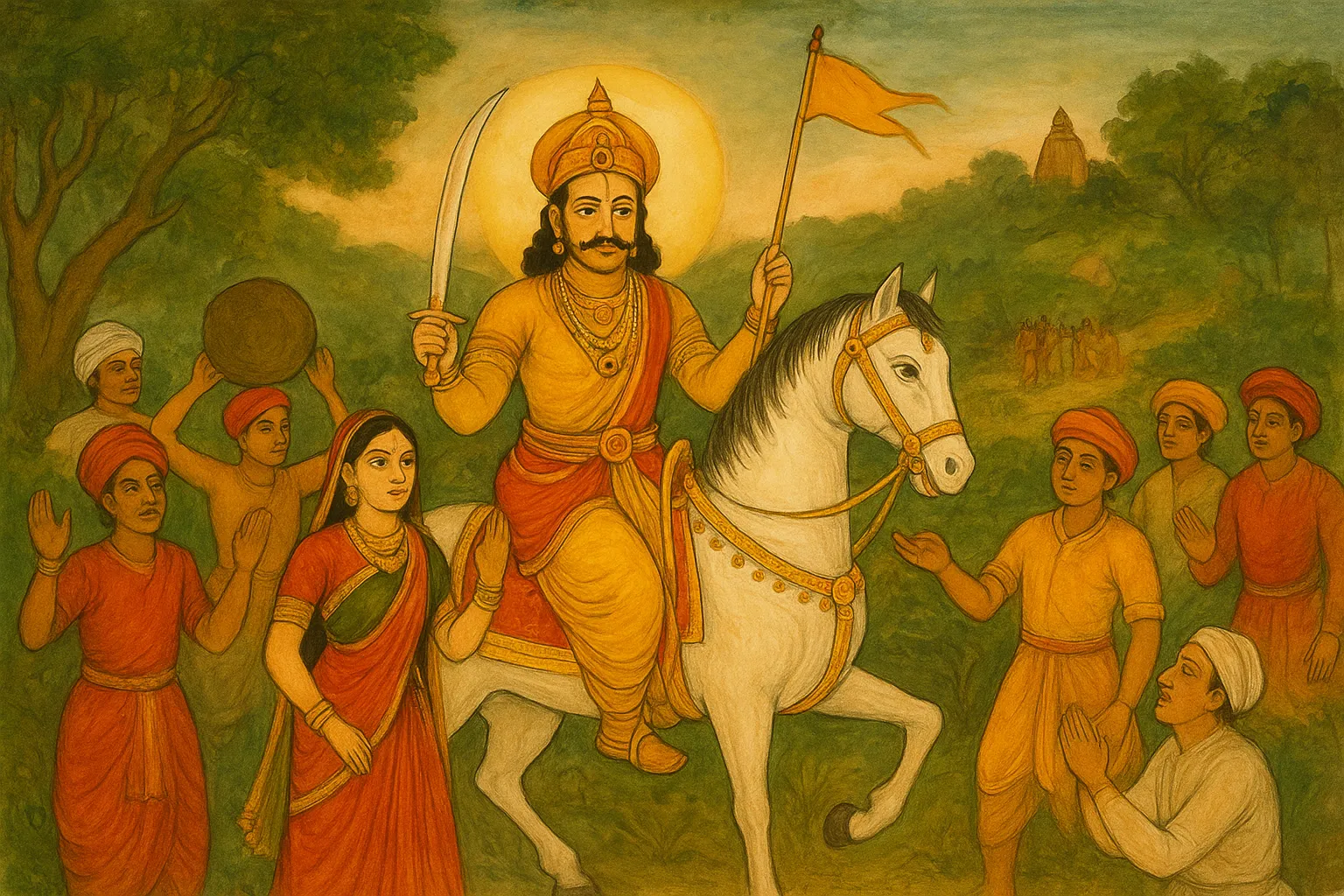
The Khandoba Maharaj Yatra of Ozar (MIG), Nashik, is among the region’s most spiritually charged and culturally rich festivals. Celebrated with devotion, music, colors, and centuries-old rituals, the Yatra honors Lord Khandoba, the warrior form of Lord Shiva and the protector of farmers, shepherds, and rural communities.
This Yatra stands out for its authenticity—unchanged traditions, community participation, and strong devotional energy that bring thousands together every year.
Who is Khandoba Maharaj?
Khandoba, also known as Malhari Martand, is worshipped as:
- A warrior deity
- A destroyer of evil
- A protector of the humble
- A giver of prosperity and good harvest
He is deeply revered across Maharashtra, especially in Nashik district.
History of Khandoba Yatra in Ozar (MIG)
The exact origin of the Yatra dates back around 150–200 years, as preserved in local oral histories.
Farmers and shepherd communities began this celebration as a thanksgiving custom, praying for:
- Good harvest
- Rains and seasonal blessings
- Protection from natural calamities
Over the generations, this intimate rural ritual transformed into a grand public festival.
When is the Yatra Celebrated?
The Yatra is usually observed during the Hindu months of Margashirsha or Paush, often around or after Champa Shashti. The date is decided based on traditional Panchang and temple customs.
Unique Tradition: The 12 “Baragadya” of Ozar (MIG)
One of the most remarkable aspects of this Yatra is the presence of the 12 Baragādya (बारगाड्या) — the twelve respected family lineages who hold hereditary duties in the worship of Lord Khandoba.
Who Are the 12 Baragadya?
The Baragādya are:
- Traditional custodians of Khandoba rituals
- Families responsible for preserving ancient customs
- Devotees who lead the spiritual discipline of the Yatra
These families have served the deity for generations, passing down responsibilities from father to son.
Their Role During the Yatra
During the festival, the Baragādya:
- Lead the Palkhi procession
- Offer the first Bhandar (turmeric)
- Perform frontline rituals
- Carry traditional instruments and sacred items
- Maintain order and guide devotees
No major ceremony begins until the Baragadya complete their prayers, symbolizing their ancestral authority and spiritual importance.
They are the soul of the Yatra—protecting the festival’s purity, identity, and tradition.
Major Rituals & Festivities
1. Grand Palkhi Procession
The Palkhi of Lord Khandoba is taken through the village with:
- Dhol–Tasha
- Lezim performers
- Baragādya leading the front
- Devotees chanting “Jai Malhar!”
The entire village vibrates with energy and devotion.
2. Bhandar Utsav (Turmeric Ritual)
The most iconic ritual where devotees apply turmeric on the deity, the temple, and one another.
Turmeric represents:
- Auspiciousness
- Prosperity
- Blessings of Khandoba
3. Annadaan (Community Feast)
Large-scale Mahaprasad is offered to thousands, symbolizing unity and compassion.
4. Folk Performances
Cultural performances include:
- Gondhal
- Jagran
- Powada
- Dhol Pathak
These traditional arts help preserve Maharashtra’s cultural identity.
Cultural Importance of the Yatra
The Ozar (MIG) Khandoba Yatra represents:
- Community unity
- Rural heritage
- Devotion combined with culture
- Preservation of ancestral traditions
- Respect for Baragādya lineage
It is a festival where the entire village comes together as one family.
Conclusion
The Khandoba Maharaj Yatra at Ozar (MIG), Nashik, is not just a religious event—it is a living tradition carried forward by faith, devotion, and the sacred service of the 12 Baragadya.
If you wish to witness true Maharashtrian culture filled with divinity and energy, this Yatra is an unforgettable experience.