
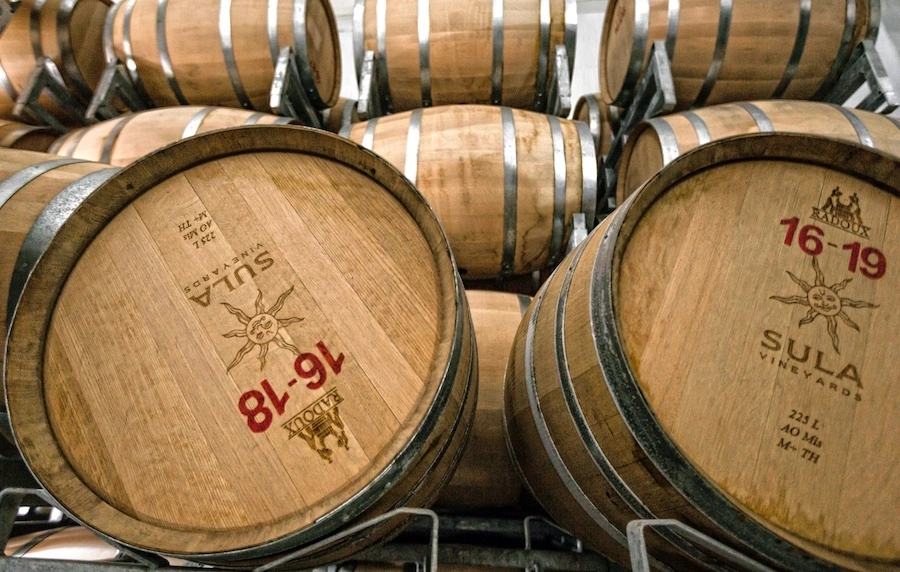
For centuries, Nashik has been revered as a holy city on the banks of the sacred Godavari River. Yet, over the last two decades, this ancient city has quietly transformed into a modern-day Wine Capital, cultivating a wine culture that is redefining India’s palate.
At the heart of this revolution lies one name: Sula Vineyards.
Where Terroir Meets Tradition
What makes this region in Maharashtra the ideal setting for world-class winemaking? The answer lies in its unique terroir—the combination of climate, soil, and geography.
Nashik is nestled on the Western Ghats at a high altitude of 2,000 to 2,400 feet. This elevation, coupled with the inverse climate of warm days and cool nights, provides the perfect stress and balance for wine-grade grapes. The rich red laterite soil adds another layer of complexity, enabling Nashik to produce over 50% of India’s total wine volume and earn the coveted Geographical Indication (GI) tag as “Nashik Valley Wine.”
This incredible confluence of factors has paved the way for the transformation of this ancient grape-growing region into a hub for vinifera varieties.
Sula Vineyards: The Pioneer and Trailblazer

Image Source: https://sulavineyards.com
The story of Nashik as the Wine Capital cannot be told without highlighting the pioneering role of Sula Vineyards.
In the late 1990s, founder Rajeev Samant, returning from his studies in the US, saw the untapped potential of his family’s land. Collaborating with Californian winemaker Kerry Damskey, he took a bold step: planting French grapes like Sauvignon Blanc and Chenin Blanc—varietals previously unheard of in Indian viticulture.
The gamble paid off spectacularly.
-
Innovations: Sula not only introduced these successful international varietals but also pioneered India’s first tasting room (2005), the country’s first vineyard resort, and India’s first Zinfandel Rosé.
-
Impact: From the first bottle sold in 2000, Sula quickly grew to become India’s largest and most awarded wine brand, directly influencing the professionalization and growth of the entire Indian wine industry.
Sula’s success demonstrated that quality Indian wine wasn’t just possible—it was world-class.
The Wine Tourism Phenomenon
The vineyards of Nashik have evolved beyond production sites into sophisticated lifestyle destinations, making the region a major tourism hotspot.
The Sula Experience
Visiting Sula Vineyards offers a quintessential wine-country escape:
-
Guided Tours & Tastings: Explore the facility and learn the ‘grape-to-glass’ process, culminating in a tasting session of five different wines.
-
Stay & Dine: Sula offers on-site luxury stays like The Source and Beyond by Sula, providing Tuscan-style architecture and lake-view villas nestled right among the vines.
-
Grape Stomping: For a truly immersive (and fun!) experience, visitors can partake in the traditional, joyful act of grape stomping during harvest season.
SulaFest: The Celebration

Image Source: https://sulavineyards.com
The ultimate expression of Nashik’s modern identity is SulaFest. Held annually (or bi-annually, usually in early February), this premier gourmet music festival draws thousands of attendees. It’s a dynamic blend of international and national music acts, gourmet food stalls, shopping, and, of course, endless Sula wines, all set against the breathtaking backdrop of the vineyards and the Gangapur Lake.
Beyond the Giant
While Sula is the giant, the city’s wine culture is enriched by other excellent wineries like York Winery, Grover Zampa, and Soma Vineyards, each offering its own unique perspective on the Nashik Valley’s diverse terroir.
From being a sacred pilgrimage site, Nashik is now a must-visit destination for every wine enthusiast and curious traveller. The journey of the grape here is far more than agriculture; it’s a testament to vision, innovation, and the perfect marriage of nature and modern enterprise.